

Why Waterproofing Is the Foundation of Every Cellar Conversion
Cellars, being partially or completely underground, are naturally vulnerable to water ingress and damp-related issues -- even if they have never experienced visible flooding.
Without a robust waterproofing system, moisture will penetrate walls and floors, leading to mould growth, structural damage, and an environment that is simply not suitable for habitation. At Easy Damp, waterproofing is always the first step we address in any cellar conversion project, because everything else -- insulation, electrics, decoration -- depends on a dry, stable environment.
We work with Building Control from the outset to ensure every waterproofing system we install is approved, compliant, and built to last. Our solutions are designed for the specific conditions of your cellar, taking into account ground water levels, soil type, and the existing structure.
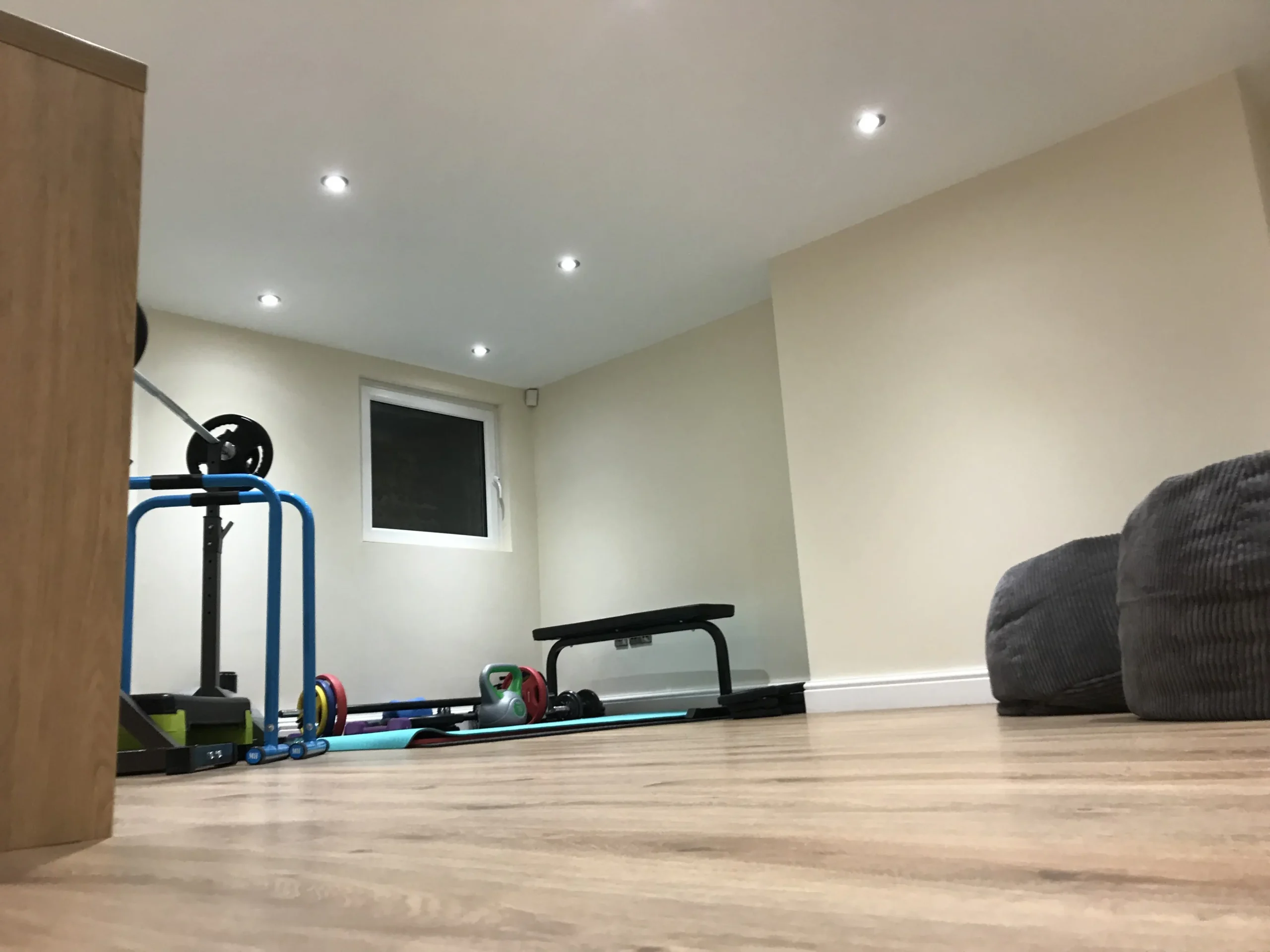
Expert waterproofing for lasting protection
Type-C Waterproofing Systems
For cellar conversions, the gold standard in waterproofing is a Type-C Waterproofing System, often referred to as a cavity drain membrane system. Unlike barrier-based approaches that attempt to stop water at the wall face, Type-C systems work with the water rather than against it, creating a managed drainage path that directs any ingress safely away from the living space.
A Type-C system creates an internal cavity between the existing cellar walls and a new internal wall lining. This cavity acts as a buffer zone: any water that penetrates the external structure is captured within the cavity and channelled down to a perimeter drainage channel at floor level. From there, the water flows to a sump chamber fitted with an automatic pump, which discharges the collected water to an external drain or soakaway.
This approach is particularly effective because it does not rely on preventing water from entering the structure -- something that can be extremely difficult to guarantee over the long term with below-ground constructions. Instead, it provides a robust, maintainable system that manages water ingress continuously and reliably.
Why Type-C Is Preferred for Cellar Conversions
- Reliability: Manages water rather than trying to block it entirely
- Maintainability: Sump pumps can be inspected, serviced, and replaced without disrupting the living space
- Building Control approval: Widely recognised and accepted by Building Control officers
- Longevity: Membrane materials are designed to last the lifetime of the building
- Versatility: Suitable for all ground conditions and water table levels
Cavity Drain Membranes
The cavity drain membrane is the core component of a Type-C system. These are high-density polyethylene (HDPE) sheets with a studded profile that creates a consistent air gap when fixed against the cellar walls and floor. The studs hold the membrane away from the masonry, forming the drainage cavity that captures and directs water.
We use BBA-certified membranes that meet the requirements of BS 8102:2009 (the British Standard for protection of below-ground structures against water from the ground). The membranes are mechanically fixed to the walls and sealed at all joints and penetrations to ensure complete coverage.
Once the membrane is in place, a new internal wall is built in front of it -- typically using a stud framework with plasterboard -- creating a finished surface that is indistinguishable from any other room in your home. The floor membrane is covered with a screed, ready for your chosen floor finish.
Tanking Systems
Tanking (also known as Type-A waterproofing) involves applying a waterproof barrier directly to the internal or external surfaces of the cellar walls and floor. This creates a continuous impermeable layer that prevents water from passing through the structure into the habitable space.
Internal tanking typically uses multi-coat slurry systems that are applied by brush or spray to prepared masonry surfaces. These products bond directly to the substrate and cure to form a rigid, waterproof coating. External tanking -- applied to the outside face of the walls -- is generally only feasible during new-build construction or where excavation is practical.
Tanking can be an effective solution for cellars with low to moderate water pressure, and is sometimes used in combination with a Type-C system for belt-and-braces protection. However, because tanking systems rely on maintaining a continuous barrier, any defect or crack can compromise the entire system. For this reason, we often recommend Type-C as the primary defence, with tanking as a supplementary measure where appropriate.
When Tanking May Be Suitable
Tanking is most appropriate for cellars with minimal water ingress, low external water pressure, and where the walls are in sound structural condition. It is also used as a secondary layer of protection alongside cavity drain systems in high-risk environments.
Cementitious Waterproofing
Cementitious waterproofing products are cement-based coatings that are applied to the internal surfaces of the cellar. They work by penetrating the pores of the masonry and crystallising, effectively blocking the capillaries through which water would otherwise travel. These products are sometimes described as crystalline or capillary waterproofing systems.
The advantage of cementitious systems is their simplicity of application and the fact that they become an integral part of the wall structure rather than a separate layer that could delaminate. They are breathable, allowing trapped moisture vapour to escape while preventing liquid water ingress.
Cementitious coatings are best suited to cellars with relatively dry conditions where damp-proofing rather than full waterproofing is the primary requirement. For cellars with active water ingress or high water table levels, a Type-C cavity drain system remains the more reliable solution. We will assess your cellar and recommend the most appropriate approach based on the conditions we find.
Building Control Approval Requirements
Any cellar conversion that creates a habitable room requires Building Regulations approval, and the waterproofing system is one of the first elements that Building Control will scrutinise. Before any work begins, it is essential to submit your waterproofing proposals to your local Building Control body for approval.
Building Control will want to see that the waterproofing system has been designed by a suitably qualified specialist, that the products used carry appropriate third-party certification (such as BBA certificates), and that the installation will be carried out by trained operatives. They will also require details of how the system will be maintained -- particularly where sump pumps are involved.
At Easy Damp, we handle the Building Control process on your behalf. We prepare all necessary documentation, liaise directly with Building Control officers, and ensure that inspections are scheduled at the correct stages. Our systems are designed to meet or exceed the requirements of BS 8102:2009, and we have an established track record of securing approval across councils nationwide.
Key Building Control Checkpoints for Waterproofing
- System design and specification review before work commences
- Inspection of substrate preparation before membrane installation
- Inspection of completed membrane and drainage installation before covering
- Sump pump commissioning and testing
- Final sign-off as part of the Building Regulations Completion Certificate
Our 30-Year Waterproofing Guarantee
We stand behind the quality of our work with an industry-leading 30-year guarantee on all waterproofing installations. This guarantee covers both materials and workmanship, giving you complete confidence that your cellar conversion will remain dry and habitable for decades to come.
Our guarantee is backed by our membership of the Property Care Association (PCA), and we use only products from manufacturers who offer matching long-term warranties on their materials. In the unlikely event that you experience any issues with your waterproofing system within the guarantee period, we will return to investigate and rectify the problem at no additional cost.
The guarantee is transferable to future owners of the property, which adds value when it comes time to sell. Estate agents and conveyancing solicitors recognise the importance of a guaranteed waterproofing system, and it provides reassurance to prospective buyers that the cellar conversion has been carried out to the highest standards.
Waterproofing is the single most important element of any cellar conversion. Without it, no amount of finishing work will protect your investment. At Easy Damp, we combine over 15 years of specialist experience with Building Control-approved systems and a 30-year guarantee to ensure your cellar is protected for the long term.
Ready to discuss waterproofing for your cellar conversion? Contact us today for a free, no-obligation survey and quotation. We will assess your cellar, recommend the most appropriate waterproofing solution, and provide a detailed specification so you know exactly what is included.
