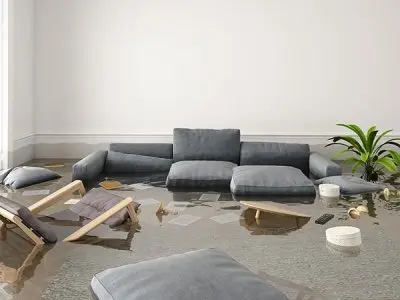

Flood water within your home or property may contain sewage or other contaminants, such as petrol, diesel, and oily substances. While these substances are usually diluted under normal circumstances and pose a low risk to human life, we strongly recommend a thorough decontamination process. Following this, a drying procedure should be carried out on the property's structure, and a structural survey should be conducted to ensure the building's integrity remains intact.
After a flood event, several crucial aspects need to be addressed before initiating remedial works. First and foremost, it is essential to determine the cause of the flood. The approach to remedial works will vary depending on whether the flood was caused by a failed sewage system or a river overflow. It's also important to consider the possibility that the water may have originated from multiple sources.
Promptly establishing the presence of any contamination is critical, as it significantly influences the entire flood remediation process. While the flood water might not contain contaminants from its source, it could have picked up contaminating materials during the flood period. Possible sources of contamination include black/grey water, oil/chemical substances, seawater, biological matter (e.g., sewage), silt, salt, sand, and other fines.
Sanitising any materials affected by the flood before removal is highly recommended.
In cases where buildings have endured flood water at a height exceeding 0.6 meters or evidence of structural element movement or cracking, it is advisable to consult a structural engineer before proceeding with further works.
As a company, we are here to guide you through each step of this process, assisting in rebuilding not only your property but also your life after such an occurrence. Our team is committed to providing expert guidance and support during this challenging time.
Flood water may contain sewage, petrol, diesel, and other oily substances. While these substances are usually diluted and pose a low risk to human life, we recommend thorough decontamination to ensure safety.
Decontamination is crucial because flood water may pick up contaminating materials during the flood period, even if it doesn't contain contaminants from its source. Proper decontamination ensures a safe and hygienic environment.
Flood remediation involves:
Suppose your property has experienced flood water above 0.6 meters in height or shows evidence of structural element movement or cracking. In that case, consulting a structural engineer before proceeding with further work is essential.
Determining the cause of the flood is vital because the approach to remedial works can vary depending on whether a failed sewage system or a river overflow caused it. It also helps consider the possibility of multiple water sources.
Determining the cause of the flood is vital because the approach to remedial works can vary depending on whether a failed sewage system or a river overflow caused it. It also helps consider the possibility of multiple water sources.
Yes, sanitising materials affected by the flood is highly recommended before removing them. This ensures that potential contaminants are correctly handled and disposed of.
Absolutely! We have the expertise and resources to manage flood remediation and restoration. From decontamination to drying and structural assessment, we provide comprehensive solutions tailored to your needs.


