Damp proofing and survey services. Cellar conversion specialists.
0161 527 6777

Timber Treatments & Brickwork

We help stop the rot in the wood and bricks throughout your property

Get a no-obligation quote from an experienced surveyor

Timber Treatment


Identifying the type of fungal and insect attack is crucial, not only in stopping the problem but also in avoiding wasting money on unnecessary treatments. Different rots require various types of treatment, so with our experience and knowledge in this area, we will know exactly how to treat the problem. One of the surveyors will conduct a survey to identify the timber issue, giving you peace of mind that you are in safe hands.

Brickwork

Should you notice issues with cracking in your brickwork or plaster, please contact a member of our team. Structural issues are something that you should act on very quickly. Once contacted, we can carry out a survey to examine the issues that the property is experiencing. Wall tie surveys are conducted, and reports are issued regarding the condition and necessary recommendations.

Dry Rot

What is Dry Rot?

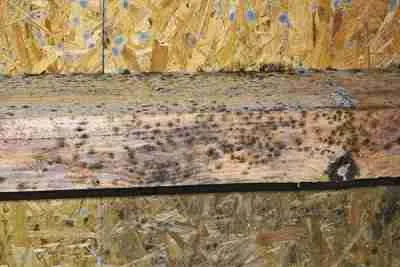
Dry rot is wood decay caused by certain species of fungi that digest parts of the wood, diminishing its strength and stiffness. The depletion of these components leaves the wood in a brown, brittle state, making it unsafe for any property.

The Problem

Dry rot is a severe form of wood decay that can devastate the wooden structure, causing it to turn a brown colour and eventually reducing the timber to a dry and crumbly consistency. If you observe red dust forming below timber structures around your property, the emergence of white fungal mushrooms from crevices, shrunken and dark discoloured wood, or a pungent mushroom smell, you may be facing a serious dry rot problem.

The Cause

Dry rot can occur when moisture content rises above 28%, typically due to water leaking directly onto the wood or if the timber is located next to damp masonry. High humidity and stagnant air can also contribute to timber being affected by dry rot.

The condition is triggered by moisture ingress and dampness within a property; this moisture can originate from various forms of dampness.

While dry rot spores exist in the atmosphere, they require the right conditions to initiate growth. Once they land on timber, they germinate and produce hyphae (fine strands of fungal growth). These hyphae strands combine to form a mass called Mycelium, which can vary in colour from grey to pure white. These strands grow into and across the damp wood and can also infiltrate materials such as plaster, mortars, and bricks. Its ability to grow over building materials in search of other timber is the reason it is feared so much, often referred to as the "cancer of buildings."

Dry Rot Treatments

We eliminate the source of damp, fuelling dry rot growth by providing a damp-proofing solution. Our team of dry rot specialists removes any affected wood or plastering, disposing of visible fungal growth and replacing materials as needed. We apply a fungicidal treatment to every piece of wood in the affected area.

Addressing dry rot promptly is crucial due to its severity. Neglecting treatment allows it to persist, feeding on and ultimately destroying the timbers in your property, posing serious consequences for the structural integrity.
Get in Touch for More Info
Damp needs quick action before it becomes more difficult to fix.
Please fill in your details below and receive a rapid response from a member of our team. We can offer advice and answers to your questions, or book you in for a no obligation survey.
Service Required
We’ll use your details to create a job and get back to you.

Wet Rot

What is Wet Rot?

Wet rot whilst not as serious condition as with dry rot, it still can create damage to your property.

Wet rot is a generic term used to define a variety of wet rot species such as Coniophora puteana (otherwise known as cellar fungus).

The Problem

Fungal organisms cause the decay of timber, attacking the wood in damp environments and causing considerable damage over time. Wet rot is an umbrella term for fungi such as Coniophora Puteana, Fibroporia Vaillanti and Phellinus Contiguus, which are all threats to timber. These fungi can crack the wood and through continued growth, worsen the situation.

The Cause

The reason these types of fungi appear can be due to high moisture content being present around the wood from insufficient damp proofing methods. Things such as condensation and lateral damp can encourage these micro bodies to develop into large harmful groups of spores which can be hazardous to not only your property, but also your health.

Wet rot generally starts due to issues such as faulty plumbing or poor ventilation to the sub floor area (void beneath the ground floor timber floor). As the timber starts to absorb the moisture it allows fungal spores to start growing.

If left to grow, wet rot begins to remove the strength of any timber it is affecting, resulting in timbers becoming structurally unsound. It is for this reason it is always important to act when you see wet rot.

Wet Rot Treatments

We can offer damp proofing solutions which will ensure that any wet rot problems are resolved, and moisture content in the timber reduces significantly. Our team can remove any weakened wood, and re-strengthen any areas that may have encountered rot damage. We will treat any of the wood we replace and any existing wood with a solution which protects it against future fungal infection.

Timber Treatments

Woodworm

Woodworm is a common term for various wood-boring insects that lay eggs in timber, and their larvae bore through the wood, creating a network of small tunnels that damage and weaken the structure. In the UK, there are four common types of woodworm:

  1. Common Furniture Beetle
  2. House Longhorn
  3. Death Watch Beetle
  4. Woodboring Weevil

All these insects invade and consume wood, leaving when they reach maturity.

Woodworm problems may not be clearly evident until damage becomes visible, so early identification is crucial before they cause further harm. If left untreated, the infestation can seriously weaken timber, leading to the structural failure of timbers.

Our team of specialist insect exterminators has the equipment and skills to completely rid your wood of any harmful pests. Our water-based treatment can be applied directly to the problem to eliminate the insects and provide a protective coating to prevent a reoccurrence of the issue. We also use "fogging," allowing termination to take place without the removal of carpets and floorboards, with the room ready for use in just 2 hours.

Common Furniture Beetle (Anobium Punctatum)

The Problem

Structural wood can become weak and brittle which puts the safety of inhabitants at risk, as the timber could snap and the structure may completely collapse. Bore holes are visible on the surface of the wood, and traces of bore dust litter the area, making your building unclean and also unsafe.

The Cause

Woodworm can burrow into your timber structures and begin to disintegrate your wood. This is the most common of damaging pests; it creates a habitat within the wood and lays eggs which produce larva that burrow through the timber for 2-4 years.

Death Watch Beetle (Xestobium Rufovillosum)

The Problem

Holes in the timber, bore dust, exposed tunneling in severe cases, and fungal decay can lead to structural damage in the building. This pest renders your wooden structures vulnerable to weakness and potential collapse.

The death watch beetle poses a significant threat once established inside wood. It commonly inhabits hardwood, with oak being particularly susceptible to attack. Its name is derived from its preference for old wooden beams in churches and the tapping noise it makes as a mating signal.

Other Wood Boring Beetles

The Problem

Holes and grooves on the timber's surface, along with the presence of fungal decay, can weaken the internal structure of the wood, making it susceptible to collapse when subjected to pressure or force.

The Cause

The house longhorn beetle, the wood boring weevil and the lyctus powderpost are other wood pests that pose major risks to any piece of wood within your building. If the insect becomes established in the material, it needs to be completely eradicated as soon as the problem is discovered to prevent any further damage.

Signs that suggest that you have a woodworm attack are:

  • Dead beetles: Usually found near the infested timber or around nearby windowsills.
  • Adult beetles: They emerge from timbers between May and October.
  • Holes in timber: Round or oval-shaped with sharp edges, the holes will appear clean and fresh.
  • Tunnels in wood (galleries): These are often hard to see.
  • Bore dust (frass): Caused by emerging adult beetles, usually visible below the infested timber.
  • Weak and soft floorboards: In extreme cases, due to the severity of the attack, the floorboards go through.
  • Wood that crumbles: Often to the corners or edges of roof joists or floorboards.
  • Woodworm larvae: Usually a creamy-white colour and curved in shape.
  • Eggs: Vary in size depending on the beetle, but all are difficult to spot with the naked eye.

Cavity Wall Tie Replacement

Cavity wall ties play a crucial role in connecting the visible protective outer cavity of brickwork or blockwork to the structural and load-bearing inner masonry skin of a building.

The primary cause of cavity wall tie failure is often age. Over time, the mortar bed between bricks or blocks undergoes chemical changes due to carbonation, leading to the mortar attacking the wall ties and resulting in a buildup of iron oxide, commonly known as rust. As each tie oxidises, layers of rust form and expand outward, pushing apart the mortar beds and causing visible cracks.

Cavity wall tie issues contribute to various internal and external wall faults, including:

  • Outward bulging of exterior walls
  • Horizontal cracking at regular intervals in external mortar joints
  • Raised roof edges
  • Internal wall cracks

The primary culprits behind these internal and external wall issues are the mild steel ties, prevalent in many houses built pre-1981. These ties are prone to intense corrosion, eventually leading to failure. Whether the failure is currently present in your walls or a looming issue, action may be necessary to prevent further damage to your cavity walls.

Faulty wall ties can result in horizontal cracks, bulges in your brickwork, and even the complete collapse of your outer cavity wall.

If you suspect wall tie failure in your property, consider arranging a survey. We will visit the property to inspect the condition of the wall ties.

After locating the tie, we assess its corrosion status and determine whether isolation or removal is necessary. Subsequently, new wall ties are installed, utilizing either mechanical or resin installation methods.

At Cannon Contractors, our team of cavity wall specialists employs a metal detector to precisely locate each cavity wall tie. Following identification, we use an endoscope for a thorough examination, and if further scrutiny is required, a single brick may be extracted for closer inspection. Our range includes stainless steel wall tie options with corrosion-resistant properties, ensuring prolonged service life. Depending on the masonry condition, ties are fitted using mechanical or resin-based methods.

Masonry Repairs

Buildings can deteriorate over time due to various factors such as weathering, subsidence, and construction work. This may necessitate stabilising the masonry to prevent further damage, ensuring the building remains safe.

Horizontal cracks or step cracks are common types of masonry repairs. Potential triggers for cracks include:

  • Insufficient restraint: Lack of wall ties, restraint straps, poor bonding, etc.
  • Ground movement: Subsidence, landslip, or heave.
  • Inadequate support: Localised foundation failure, lintel failure, masonry arch failure, etc.
  • Resizing: Expansion or shrinkage due to thermal or moisture variations.
  • Rusting metals: Wall tie corrosion, expansion of hoop irons or fixings, etc.

Before undertaking a crack repair, the cause of the fracture must be identified and eliminated. Crack repair strategies generally fall into two categories:

  1. Sub-structure repairs for below-ground foundation movement issues, typically an insured risk.
  2. Superstructure reinforcement for above-ground building defects, typically an uninsured risk.

Sub-structure repairs often involve underpinning or piling, while superstructure reinforcement includes structural repairs using helical bars for retrofitted brick beams or crack stitching. Replacement wall ties and restraints secure cavity or separating façade walls, and resin injection systems efficiently fill and seal cracks in walls.

We conduct a structural survey to determine the cause of the defect, which guides the appropriate repair work. Structural calculations are made to identify the correct material type to use.

At Cannon Contractors, we specialise in masonry stabilisation and building maintenance. Our team of building work specialists can repair various external building damages using our high-quality Helical Systems masonry reinforcement products. These products ensure convenient stabilisation work at affordable prices.

Repointing

The majority of homes in the UK share a common bond: mortar. Bricks, stone blocks, and other masonry units are typically laid in a bed of mortar, which serves to fill the gaps and protect the structure from water penetration.

As the structure ages, weathering causes it to soften and become absorbent, allowing water entry, a phenomenon we refer to as weathering.

Repointing involves renewing the "pointing," the external part of mortar joints in masonry construction. Over time, weathering and decay create voids in the joints between masonry units, typically in bricks, enabling water infiltration. Water entering through these voids can lead to significant damage from frost weathering and salt dissolution and deposition.

During repointing, the mortar is raked out using grinders, hand tools, and power tools, and the area is then cleaned for the installation of new mortar. Various pointing styles, such as weather pointing and bucket handle, can be applied.

Upon completing the repointing process, we often recommend treating the masonry with a waterproof cream.

Posted on Google Google
Glen Smith profile picture
Glen Smith
Google star 1Google star 2Google star 3Google star 4Google star 5Trustindex verifies that the original source of the review is Google.
We struggled to make our house our home due to the damp restricting decorations so decided to get a quote. Chris was honest from the get go and clear the house would require a lot of work but transparent on the problems and solutions available. We have a busy house hold of 3 children but the workforce were great at communicating and respecting our daily movements. They also prioritised areas to assist with our youngest who has SEN. I would recommend their service to anyone thinking about investing in their home.
Posted on Google Google
Stephanie Hegarty profile picture
Stephanie Hegarty
Google star 1Google star 2Google star 3Google star 4Google star 5Trustindex verifies that the original source of the review is Google.
Good service, Haley the manager was very friendly and professional. The report was very clear and easy to read.
Posted on Google Google
Lorraine profile picture
Lorraine
Google star 1Google star 2Google star 3Google star 4Google star 5Trustindex verifies that the original source of the review is Google.
Aidan and Lee turned up full of enthusiasm and got on with the job. Very efficient and cleaned up when completed. Also very cheerful and prepared to go the extra mile. Very pleased
Posted on Google Google
Caitlin Nuttall profile picture
Caitlin Nuttall
Google star 1Google star 2Google star 3Google star 4Google star 5Trustindex verifies that the original source of the review is Google.
I can't say enough good things about the team at Easy Damp, and Hayley in particular - she's always been super helpful, friendly and organised. The guys did a great job, the quality of work is fantastic and they were lovely chaps. Huge thank you for the quick turnaround too!
Posted on Google Google
Maria Nortley profile picture
Maria Nortley
Google star 1Google star 2Google star 3Google star 4Google star 5Trustindex verifies that the original source of the review is Google.
I live in a semi-detached house and every Autumn and winter we have lots of problems with condensation. We had started to have mould problems in the dining room which needed decorating so rang Easy Damp to see if this problem could be sorted. Chris come round and was very informative and explained that the mould and condensation was due to the high humidity in the house. He told us the best solution to this problem was to have a Humidistat Extraction Unit. This was fitted a few days after we saw Chris and it has been amazing. All the windows are clear of condensation. The big test will be when it goes colder but I am really impressed at the moment. Can’t thank Hayley enough for getting the ball rolling and she is so easy to talk to and ask questions also to Chris for assessing the problem and getting it sorted quick.
Posted on Google Google
Claire Lewis profile picture
Claire Lewis
Google star 1Google star 2Google star 3Google star 4Google star 5Trustindex verifies that the original source of the review is Google.
Came and did the inspection, showed me what was needed and booked in the work when suited me. They took the price of the survey off from the work. Job was done in 4 days and they tidied up after themselves.
Posted on Google Google
Samantha Burton profile picture
Samantha Burton
Google star 1Google star 2Google star 3Google star 4Google star 5Trustindex verifies that the original source of the review is Google.
This team is amazing... very polite , very on point with keeping you up to date with every step. And the roofing team were so polite and friendly and have done an amazing job we couldn't have asked for anything else so thank you .
Posted on Google Google
D F profile picture
D F
Google star 1Google star 2Google star 3Google star 4Google star 5Trustindex verifies that the original source of the review is Google.
What a team! Easydamp have restored my faith in human nature. They are extremely professional. My thanks go to Mike, Haiden and Lee who carried out a very professional job, nothing was too much trouble. Mike even came out when it was apparent he was not very well to finish off aspects of the work. Thank you Mike. My thanks also go to Chris and Hayley who were keen to see that I was happy with the ongoing work. I know feel very reassured. Good work guys.
Posted on Google Google
Sharon Sinzara profile picture
Sharon Sinzara
Google star 1Google star 2Google star 3Google star 4Google star 5Trustindex verifies that the original source of the review is Google.
Really efficient reliable professional team, who left my house clean. I definitely would recommend it to loved ones. Communication with Hayley was so easy professional and really pleasant.
Damp survey company in the UK, based in Manchester
Our professional damp-proofing services ensure a dry and protected environment for your property, preventing moisture-related issues and preserving its structural integrity.
Conversions & Renovations
Cellar Conversions House Refurbishments
Information & Resources
Blog
Contact Us
Easy Damp
115 Bolton Road
Bury
Greater Manchester
BL8 2NW
Privacy Policy FAQs
Easy Damp Ltd 2024 | All rights reserved