

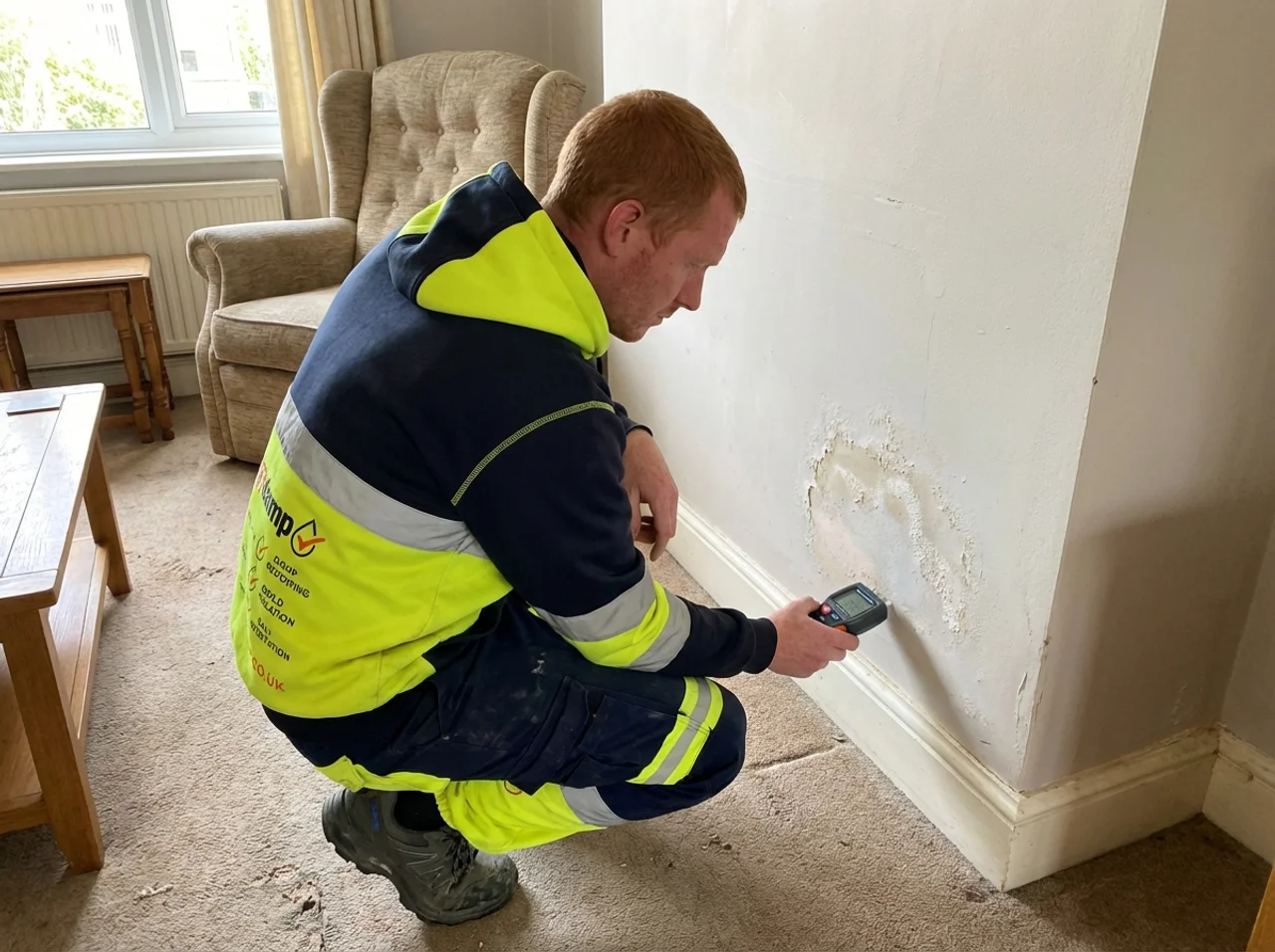
Damp in a home is more than an aesthetic problem or a maintenance headache. Living in a damp property can have a genuine, measurable impact on your health — and the health of everyone in your household. If you’ve been feeling unwell and can’t pinpoint why, your home’s damp problem might be the cause.
What the NHS Says About Damp and Health
The NHS is clear on this issue: damp and mould can affect your health. According to NHS guidance, living in a damp or mouldy home can cause respiratory problems, trigger allergies, and worsen existing conditions such as asthma. The risks are not limited to severe cases — even relatively mild damp conditions can affect sensitive individuals over time.
The key culprit is mould. Where there’s persistent damp, mould almost always follows. It’s the mould spores — microscopic particles released into the air — that cause the majority of health problems associated with damp housing.
The Health Risks of Living in a Damp Home
Respiratory Problems
The most well-documented health effects of damp and mould exposure are respiratory:
- Asthma — damp and mould are recognised triggers for asthma attacks. If you or a family member has asthma that seems worse at home than elsewhere, damp could be contributing
- Allergic rhinitis — persistent sneezing, a runny or blocked nose, and itchy eyes caused by an allergic reaction to mould spores
- Bronchitis — prolonged exposure to mould can contribute to chronic bronchitis, particularly in older adults
- Respiratory infections — people living in damp homes are more susceptible to coughs, colds, and chest infections
Allergic Reactions
Mould spores are a potent allergen. Reactions can include:
- Skin rashes and irritation — contact with mould or prolonged exposure to high humidity can cause or worsen skin conditions such as eczema
- Eye irritation — red, itchy, or watering eyes, particularly in rooms where mould is present
- Persistent coughing or wheezing — the body’s response to inhaled allergens
Immune System Effects
Some moulds produce mycotoxins — toxic substances that can affect the immune system with prolonged exposure. While the risk from typical household mould is generally low, people with weakened immune systems are particularly vulnerable, and long-term exposure to high concentrations of mould should always be taken seriously.
Who Is Most at Risk?
While damp and mould can affect anyone, certain groups are particularly vulnerable:
- Babies and young children — their developing respiratory systems are more susceptible to damage from mould exposure. Research has linked early childhood exposure to damp housing with a higher risk of developing asthma
- Elderly people — reduced immune function and existing health conditions mean older adults are more likely to experience serious complications
- People with existing respiratory conditions — those with asthma, COPD, or other lung conditions are at significantly greater risk
- Immunocompromised individuals — anyone with a weakened immune system, whether from illness or medication, is more vulnerable to mould-related infections
- People with allergies or eczema — existing sensitivities make reactions to mould more likely and more severe
The Mental Health Impact
The effects of living in a damp home extend beyond physical health. Research consistently shows that poor housing conditions contribute to poor mental health:
- Stress and anxiety about the condition of your home and the potential cost of repairs
- Embarrassment that prevents you from inviting people over
- Sleep disruption from musty smells, cold rooms, or worry about the problem getting worse
- A feeling of helplessness, particularly for tenants who rely on landlords to address the issue
These effects are real and shouldn’t be dismissed. Your home should be a place of comfort and security, not a source of ongoing stress.
How to Tell If Damp Is Affecting Your Health
It can be difficult to connect health symptoms with your home environment, especially when the problems develop gradually. Consider whether:
- Your symptoms improve when you’re away from home — on holiday, at work, or visiting others
- Symptoms are worse in certain rooms, particularly bedrooms where you spend extended periods
- Multiple household members are experiencing similar unexplained symptoms
- You’ve noticed visible mould, damp patches, or a persistent musty smell in your home
- Symptoms have worsened since moving into the property or since a particular event (such as a leak or a particularly wet winter)
If you recognise this pattern, it’s worth both seeing your GP and having your home assessed for damp.
What Tenants Need to Know
If you’re renting and your home has a damp problem, your landlord has a legal responsibility to address it. Under the Homes (Fitness for Human Habitation) Act 2018, your landlord must ensure the property is fit for habitation, and serious damp and mould problems can render a home unfit.
Key steps for tenants:
- Report the problem to your landlord in writing — keep a record of all communication
- Document the damp — take photographs, note dates, and keep records of any health symptoms
- Contact your local council’s environmental health team if your landlord fails to act — they have the power to require landlords to carry out repairs
- Seek medical advice if you believe your health is being affected — a GP’s letter linking your symptoms to housing conditions can be powerful evidence
What to Do If You Suspect Damp Is Affecting Your Health
1. See Your GP
If you’re experiencing persistent respiratory symptoms, allergies, or skin problems, speak to your GP. Mention that you live in a property with damp or mould — this context helps them assess your symptoms accurately.
2. Identify and Address the Source
Treating the symptoms without addressing the cause won’t solve the problem. A professional damp survey identifies the type and source of damp in your home — whether it’s condensation, rising damp, penetrating damp, or a combination — and recommends the appropriate treatment.
3. Take Immediate Steps to Reduce Mould
While waiting for professional treatment:
- Improve ventilation by opening windows and using extractor fans
- Clean visible mould with a mould-specific cleaner (avoid bleach on porous surfaces)
- Reduce humidity by not drying clothes indoors and using lids on pans when cooking
- Move furniture away from external walls to improve air circulation
4. Get Professional Treatment
Once the source of damp is identified, professional treatment can eliminate the problem permanently. This might involve damp proof course installation, waterproofing, improved drainage, or structural repairs — depending on the type and severity of the damp.
Don’t Live With Damp
Damp is not something you should learn to live with. It damages your property, your belongings, and potentially your health. The sooner it’s addressed, the less damage it causes and the sooner your home becomes a healthier place to live.
If you’re concerned about damp in your home, Easy Damp provides thorough damp surveys across Greater Manchester and the North West. We’ll identify the problem, explain your options, and provide a clear plan to resolve it.
Call us on 0161 527 6777 or book a survey online to take the first step towards a healthier home.
