

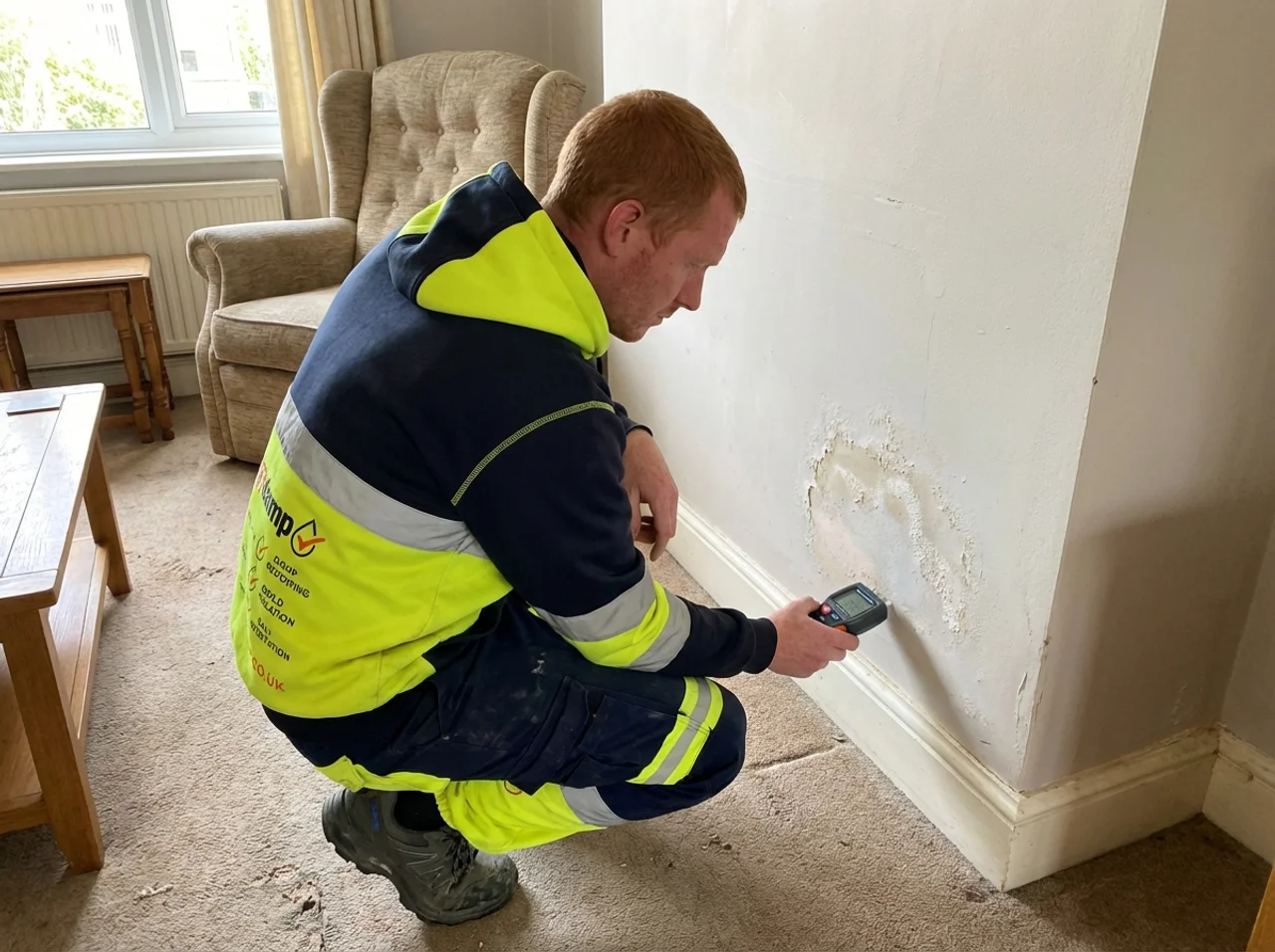
Older properties have character, charm, and craftsmanship that modern homes simply can’t replicate. But they also come with unique damp challenges that require specialist understanding.
If you own a Victorian terrace, an Edwardian semi, or any property built before the 1920s, this guide explains why damp behaves differently in your home — and what to do about it.
Why Older Properties Are Different
Construction Methods
Properties built before 1920 were constructed very differently to modern homes:
- Solid walls — no cavity between inner and outer brickwork, meaning rain can penetrate directly through the wall
- Lime mortar — softer and more permeable than modern cement mortar, allowing walls to “breathe”
- No damp proof course (DPC) — mandatory DPCs weren’t required by building regulations until 1875, and many properties built after that date still lack an effective one
- Stone or slate floors — often laid directly on earth with no damp proof membrane
- Traditional lime plaster — designed to absorb and release moisture, unlike modern gypsum plaster
The “Breathing” Principle
Traditional construction was designed to manage moisture, not block it entirely. Solid walls absorb rainwater, which then evaporates from the internal surface. Lime mortar and lime plaster facilitate this evaporation. The system works — but it requires the walls to breathe.
Problems arise when modern, impermeable materials are applied to traditional construction:
- Cement render traps moisture behind it rather than allowing evaporation
- Gypsum plaster doesn’t tolerate moisture the way lime plaster does
- Vinyl wallpaper and non-breathable paints seal moisture in
- Cement pointing prevents mortar joints from releasing moisture
Many damp problems in older properties aren’t caused by the original construction failing — they’re caused by well-meaning modern “improvements” that prevent the building from doing what it was designed to do.
Common Damp Issues in Older Properties
Rising Damp
Without an effective DPC, ground moisture can travel up through walls. Signs include:
- Tide marks on ground floor walls, typically up to 1 metre high
- Salt deposits (efflorescence) on wall surfaces
- Deteriorating plaster at the base of walls
- Damp, musty smell at ground level
Treatment: Chemical DPC injection creates a new damp proof barrier in the mortar course. This involves drilling into the mortar at regular intervals and injecting a silicone-based cream that forms a waterproof barrier as it spreads through the masonry. The wall below the injection line is then re-plastered with salt-resistant render.
Penetrating Damp
Solid walls are more vulnerable to rain penetration than cavity walls because there’s no air gap to stop moisture travelling through:
- Damp patches on internal walls that worsen during rain
- Deteriorating pointing allowing water through mortar joints
- Damaged or missing render exposing brickwork
- Defective gutters and downpipes directing water onto walls
Treatment: The approach depends on the specific cause — repointing, render repair, gutter maintenance, or external waterproof treatments. For solid walls, breathable water-repellent coatings can reduce rain penetration while still allowing moisture to escape.
Condensation
Older properties can suffer badly from condensation, partly because:
- Solid walls are cold — they conduct heat much faster than insulated cavity walls
- Original features like single-glazed sash windows and open fireplaces have been replaced or blocked up, reducing natural ventilation
- Modern living patterns — cooking, bathing, and drying clothes indoors generates far more moisture than historical lifestyles
Treatment: Improving ventilation is the primary solution. Trickle vents, extractor fans, and positive input ventilation (PIV) systems can transform condensation problems. For persistent cold spots, internal wall insulation using breathable materials can raise wall surface temperatures above the dew point.
Sub-Floor Damp
Many older properties have suspended timber ground floors with a ventilated void beneath. If the airbricks providing this ventilation become blocked or the void becomes waterlogged:
- Floorboards feel damp or cold
- Timber joists begin to rot
- Musty smell rises through the floor
- Woodworm becomes active in damp timber
Treatment: Clearing blocked airbricks, improving sub-floor drainage, and replacing damaged timbers. In severe cases, the floor may need lifting to install proper ventilation and damp proofing.
What NOT to Do
Don’t Use Cement Products on Lime Buildings
This is the single most important rule. Cement render, cement pointing, and cement-based tanking on a lime-built property will trap moisture and cause more damage than the damp itself.
Instead: Use lime mortar for pointing, lime render for walls, and lime plaster internally. These materials are compatible with the original construction and allow the building to breathe.
Don’t Seal Everything
The instinct to “waterproof” every surface works against traditional construction. Impermeable coatings and sealants trap moisture inside the wall mass, leading to:
- Frost damage as trapped water freezes and expands
- Salt crystallisation beneath the surface, blowing plaster and mortar
- Concealed timber decay as moisture can’t escape
Don’t Ignore Ventilation
Blocking up fireplaces, replacing sash windows with sealed units, and draft-proofing every gap can dramatically increase moisture levels. If you’re improving the airtightness of an older property, you must introduce controlled ventilation to compensate.
Don’t Rush to Diagnose
Damp in older properties is frequently misdiagnosed. Rising damp is over-diagnosed (sometimes where it doesn’t exist), while simpler causes like blocked gutters, bridged DPCs, or condensation are overlooked.
A proper damp survey by a qualified surveyor who understands traditional construction is essential before any treatment begins.
The Right Approach
1. Understand Your Building
Before treating damp, understand how your property was built and how it was designed to handle moisture. A surveyor experienced with older properties will assess:
- Wall construction (solid brick, stone, or mixed)
- Original mortar type (lime or cement)
- DPC provision (if any)
- Previous alterations and repairs
- External drainage and ground levels
2. Address External Causes First
Many damp problems in older properties start outside:
- Repair gutters and downpipes — the most common cause of penetrating damp
- Clear vegetation from walls — ivy and climbing plants hold moisture against masonry
- Lower ground levels that have risen above the DPC over the decades
- Repoint with lime mortar — replacing failed cement pointing
- Repair render using breathable lime render
3. Improve Ventilation
- Install trickle vents in replacement windows
- Fit extractor fans in kitchens and bathrooms
- Consider a PIV (Positive Input Ventilation) system
- Ensure airbricks are clear and unobstructed
- If fireplaces are blocked, fit ventilated chimney caps
4. Treat Remaining Issues
Once external causes are resolved and ventilation is improved, any remaining damp issues can be treated specifically:
- Chemical DPC injection for confirmed rising damp
- Lime re-plastering of affected walls
- Breathable water repellents for exposed masonry
- Sub-floor remediation for timber floor issues
Expert Help for Older Properties
At Easy Damp, we work on older properties throughout Greater Manchester and the North West every day. We understand that period homes need a different approach — what works for a modern cavity-wall house can actively damage a Victorian terrace.
Our surveyors will accurately diagnose the source of your damp, recommend treatments appropriate to your building’s construction, and carry out the work to the highest standard.
Book a survey or call us on 0161 527 6777 to discuss your property.
